Sports Betting Bill in Minnesota Would Ban College Games
Sports Betting Bill in Minnesota Would Ban College Games
Share This Tags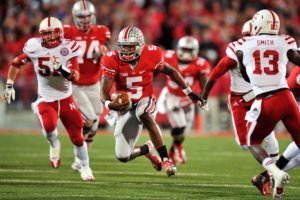 The state of Minnesota is considering the legalization of sports betting, but a new bill has been proposed that would introduce some significant restrictions. The bill, introduced by Senator John Marty and co-sponsored by Senators Scott Dibble and Erin Maye Quade, aims to provide safeguards and protections for problem gamblers if sports betting is legalized in the state.
The bill put forward by Senator Marty includes several significant safeguards to protect problem gamblers and regulate the industry. One of the key proposals is a ban on betting on college sports. This restriction aims to prevent potential exploitation and corruption in collegiate athletics. Additionally, the bill seeks to eliminate prop bets, which are wagers on specific actions or events that occur during games. By prohibiting prop bets, the bill aims to mitigate the risk of match-fixing and unethical behaviour.
Senator Marty is particularly concerned about the potential impact of mobile sports betting on problem gamblers. To address this issue, the bill proposes a ban on gambling platforms sending push notifications to users when their phones are idled. This measure aims to reduce the constant exposure and temptation that can lead recreational gamblers into problem gambling. Additionally, the bill suggests a 40% minimum tax rate on sports betting, with a quarter of the tax revenue dedicated to mental health and addiction prevention programs.
Given the narrow control of the Senate by Democrats, bipartisan support will likely be necessary for any sports betting legislation to pass. While Senator Marty’s proposals may seem ambitious, they provide a starting point for negotiations and potential compromises. Senator Klein, the main sponsor of the sports betting bill, has expressed openness to discussions and has commended Senator Marty for his proactive ideas on legalizing sports wagering safely.
If the proposed bill becomes law, Minnesota’s mobile sports betting would be more widely accessible than in neighbouring states. Currently, three out of the four neighbouring states require gamblers to bet in casinos rather than on their mobile devices. This accessibility could potentially attract more bettors from surrounding states, contributing to Minnesota’s economy.
One notable omission from Senator Marty’s bill is the absence of financial support for horse-racing tracks, such as Canterbury Park and Running Aces. Some argue that funding for these tracks is necessary to secure Republican support for sports betting legalization. However, Senator Marty opposes taxpayer subsidies for gambling operations, stating that the tracks were originally expected to generate revenue for the state without public funding.
Senator Marty emphasizes the importance of preventing problem gambling and its associated public health risks. He argues that predatory corporate sportsbooks can drive recreational gamblers into problem gambling, which can lead to financial hardship and even suicidal ideation. Citing examples from other states that have seen a tripling of calls to problem gambling hotlines after legalizing sports betting, Senator Marty highlights the urgent need for robust safeguards and support systems.