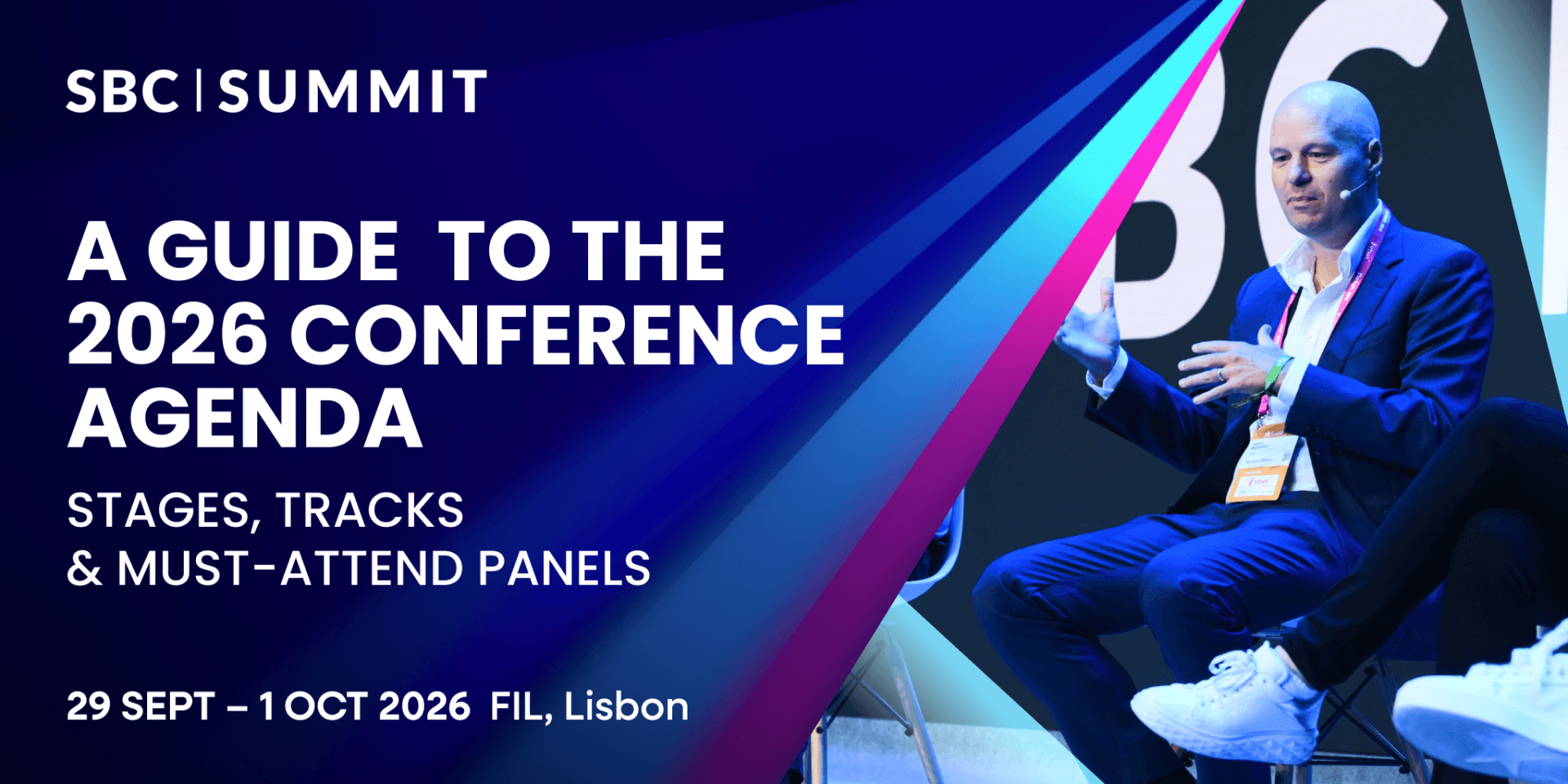
SBC Summit: AI and machine learning can enhance safer gambling to keep profits and growth in the industry
Artificial Intelligence is creating a tectonic shift in every tech and data-driven sector, and gaming is no exception. In addition to creating efficiencies and advertising opportunities, enhancing customers’ gaming experiences, and detecting fraud, many companies now leverage AI to promote responsible gambling. AI and machine learning algorithms analyze individuals’ gambling patterns, frequency, and spending to detect possible indications of problem gambling. Once signs of potential addiction are detected, AI is used to provide players with tools and an environment that promotes responsible gambling.
In a panel at SBC Lisbon, Flutter’s Head of Technology, George Iosif, spoke about the progress the group is making with AI and machine learning in enhancing player protection. “There is a shift in the marketplace towards a more responsible approach, which led Flutter to work as a group to invest and build a responsible gaming strategy for players,” Iosif said in the panel. “One of our initiatives for safe gambling is called Play Well, a safe gambling tool that is currently used by 50% of our customers, we are aiming to roll it across all of our brands and reach 75% by 2030.”
Flutter’s advancements in player protection also extend to one of its leading US gambling brands, DraftKings, which recently introduced Lori Kalani as its first Chief Responsible Gaming Officer, a significant move underscoring its commitment to player safety.
When asked about whether tech advancements such as AI in responsible gaming undermine the company’s profitability, Iosif said that he doesn’t see a conflict between safer gambling and growth. “If a company’s strategy is aligned with long-term growth in revenues and players, there is no conflict. On the contrary, it ensures that growth and profits will keep happening.”
Another key question that was raised in the panel is whether operators will be reluctant to share AI-generated player data and trends due to both privacy and competitive concerns. William Shuckburgh, Group CEO at eCOGRA, said that it can only happen if regulators come into the picture. “If you are looking at Europe, it is very necessary for a body like the European Union, or at least national regulatory bodies, to get involved and become part of the process,” he said in the panel. “The EU, for example, is perfectly placed for that, as an official body that will facilitate the sharing of AI-generated behavioral data. A regulatory body will be able to ensure all data is kept private and put to good use.”
When asked by CDC Gaming about how US regulators can play a role in facilitating AI and behavioral trends, Shucbrrugh said: “The US is in a perfect place to implement all the knowledge and policies from other regulated jurisdictions, as it is a relatively young market. I’m not sure that it can be done on a state level due to limited resources, but there are certainly existing policies, tools, and knowledge the many stakeholders in the US gaming market can use as a starting point.”
Panel members also discussed how machine learning can go a step further in tracking and assessing each customer, collecting large amounts of data, and analyzing it to predict problem gambling. “Machine learning has been giving us an edge when it comes to predictive behavior of players. We can predict time spent on site, spending trends and amounts, and get to the point where we detect signs of problem gambling and address it in real-time,” added Iosif.
Please fill out the form to send a message to the CDC Gaming Reports team. Alternatively, you can send an email to the address on the footer of each page.