The Fall of Tahoe Biltmore: A Legendary Casino’s Demise After 78 Years
The Fall of Tahoe Biltmore: A Legendary Casino’s Demise After 78 Years
Share This Tags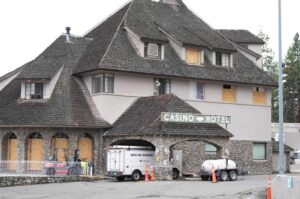 The Tahoe Biltmore Lodge and Casino in Crystal Bay, Nevada, was a legendary institution that had captivated visitors for over seven decades. Known for its ghost stories, affordable breakfast menu, and extensive gaming options, the casino had become an iconic part of the Lake Tahoe landscape. However, this once-beloved establishment has now fallen victim to foreclosure, marking the end of an era for this historic property.
The Tahoe Biltmore’s Storied Past
The Tahoe Biltmore first opened its doors in 1946, emerging as a rival to the nearby Cal Neva hotel and casino. From the beginning, the property established itself as a unique destination, offering a diverse range of entertainment and amenities. The hotel’s distinctive flying saucer-inspired design and neon-lit signage became a landmark for passersby on Highway 28, drawing in both locals and tourists alike.
Legendary Haunting and Lively Atmosphere
One of the Tahoe Biltmore’s most renowned features was its alleged haunting by the ghost of “Mary,” a former employee who was said to linger in the hotel’s corridors. Visitors would flock to the property, hoping to catch a glimpse of the supernatural presence and experience the property’s eerie ambiance. Beyond the paranormal, the Tahoe Biltmore was also known for its lively atmosphere, hosting regular events such as Halloween parties and live music performances that attracted a dedicated following.
The Tahoe Biltmore’s legendary $1.99 breakfast menu was a major draw for late-night partygoers and gamblers, who could enjoy a hearty meal at any hour. The hotel’s extensive collection of slot machines, blackjack, roulette, and craps tables kept the gaming floor buzzing with activity around the clock, catering to the insatiable appetite of visitors seeking thrills and excitement.
Ownership Changes and Redevelopment Challenges
Despite its enduring popularity, the Tahoe Biltmore faced a tumultuous history of ownership changes and failed redevelopment plans that ultimately led to its demise.
In 2007, the property was purchased by Roger Wittenberg, the inventor of the composite deck material Trex, who had ambitious plans to redevelop the Tahoe Biltmore into a 300-room hotel called Boulder Bay. The project was approved in 2011, but the financial crisis that followed soon after derailed Wittenberg’s plans, leaving the property in limbo.
The property was later acquired by EKN Development Group, a Nevada-based LLC, in 2021 for $56.8 million. The new owners had envisioned transforming the Tahoe Biltmore into a luxury Waldorf Astoria resort. However, the company failed to fulfill its loan obligations, leading to a foreclosure notice being filed in July 2022. With more than $110 million in outstanding debt, the property was slated for a public auction on October 8th, 2022.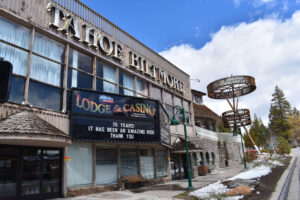
The Uncertain Future of the Iconic Site
As the Tahoe Biltmore’s final days approached, the property fell into a state of disrepair, with chain-link fences, boarded-up windows, and a desolate atmosphere. Locals and longtime visitors were saddened to witness the demise of this once-vibrant institution, which had become a beloved part of the Crystal Bay community. The future of the iconic site remains uncertain, as the foreclosure process continues to unfold.
The closure of the Tahoe Biltmore has had a significant impact on the local community, reflecting the broader challenges facing the Lake Tahoe region.
Residents of Crystal Bay and the surrounding areas have expressed concerns about the changing landscape of Lake Tahoe, with an influx of second and third homeowners and remote workers pricing out local residents. The lack of affordable housing and employment opportunities has left many locals struggling to remain in the area they call home.
The Tahoe Biltmore’s demise is seen by some as a symbol of the broader changes sweeping through the Lake Tahoe region. As the area becomes increasingly attractive to wealthy investors and developers, the character of the community is shifting, leaving long-time residents feeling disconnected from the very place they’ve called home for generations.
Locals have voiced a desire for development that not only caters to the needs of tourists and second homeowners but also prioritizes the well-being of the resident population. There is a growing call for a more balanced approach to growth, one that preserves the unique character of Lake Tahoe while also ensuring that the community’s needs are met.
Despite its ultimate downfall, the Tahoe Biltmore will be remembered as a cherished part of Lake Tahoe’s history, a testament to the enduring allure of the region and the resilience of its people.
As the property is sold and its future remains uncertain, efforts are underway to preserve the memory of the Tahoe Biltmore. Local historians and community members are working to document the hotel’s rich history, ensuring that its stories and significance are not lost to time.
The closure of the Tahoe Biltmore is a bittersweet moment, but it also serves as a reminder of the enduring spirit of the Lake Tahoe region. The area has weathered many changes over the decades, and its residents have demonstrated a remarkable resilience in the face of adversity. As the community looks to the future, there is a renewed determination to preserve the essence of this iconic destination, even as it evolves to meet the demands of a changing world.