Major Blow For $12 Billion Wynn Resorts Manhattan Resort
Major Blow For $12 Billion Wynn Resorts Manhattan Resort
Share This Tags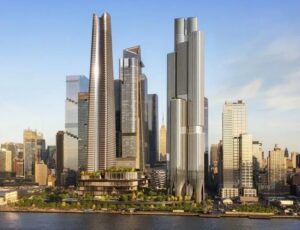 Wynn Resorts’ proposed casino complex in Manhattan’s Hudson Yards district has been refused by Community Board 4, this decision, while advisory in nature, carries significant weight and highlights the growing concerns surrounding the introduction of large-scale gambling establishments in New York City’s urban fabric.
The Hudson Yards Casino Proposal: A Closer Look
Wynn Resorts, in partnership with Related Companies, unveiled an ambitious plan for a $12 billion hotel and casino complex in the heart of Manhattan’s Hudson Yards neighbourhood. The proposal aimed to transform a significant portion of the area into a glittering entertainment hub, complete with high-end accommodations and gambling facilities. However, the sheer scale and nature of the project immediately raised eyebrows among local residents and community leaders.
Wynn Resorts and Related Companies envisioned the casino complex as a cornerstone of New York City’s post-pandemic economic recovery. They argued that the development would create thousands of jobs, generate substantial tax revenue, and attract international tourists to the area. The developers positioned the project as a transformative addition to the Hudson Yards neighbourhood, promising to elevate its status as a premier destination for visitors and residents alike.
The Community Board 4, representing the Hudson Yards area, convened to discuss and vote on the casino proposal. In a striking display of unity, the board unanimously rejected the plan, citing numerous concerns and objections raised by local residents and experts.
Key Factors Influencing the Decision
- Incompatibility with neighbourhood character
- Potential negative impacts on quality of life
- Environmental concerns, including increased traffic and noise pollution
- Fears of gambling-related social issues
- Aesthetic objections to the proposed design
The board meeting saw impassioned testimonies from various stakeholders, including former board members, local business owners, and residents. One particularly notable statement came from Joshua David, a former CB4 member, who decried the proposal as a “garish Las Vegas-style monstrosity that has no place on Manhattan’s West Side.”
One of the most contentious aspects of the proposed casino complex was its potential impact on The High Line, a beloved public park built on a former elevated railway line. The park has become an iconic feature of Manhattan’s West Side, attracting millions of visitors annually and serving as a green oasis amidst the urban landscape.
Concerns Raised by Friends of The High Line
Alan van Capelle, executive director of Friends of The High Line, expressed strong opposition to the casino project, warning that it would “do permanent damage to the High Line experience.” The organisation’s concerns centred around:
- The literal shadow cast by the 80-storey tower over portions of the park
- Potential disruption to the park’s delicate ecosystem
- Alterations to the area’s pedestrian flow and accessibility
- Changes to the neighbourhood’s character and ambiance