Dara O’Kearney: Envy Is the Enemy of Patience and Discipline in Poker
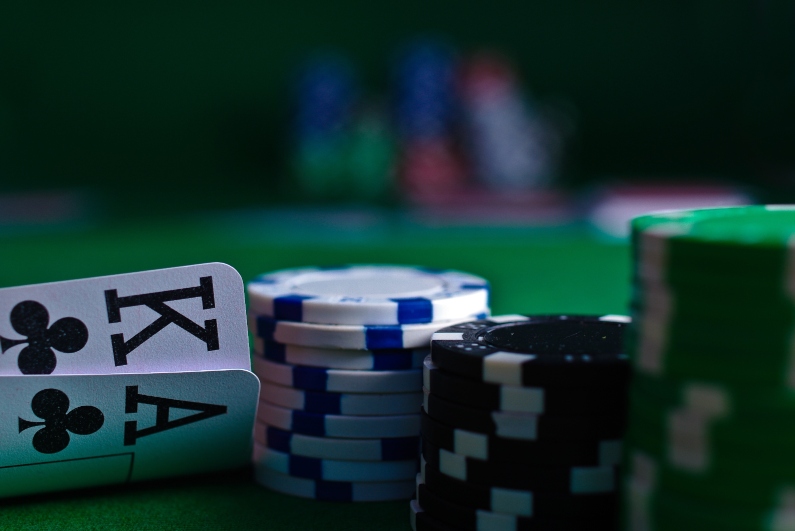 In poker, envy can come at a high cost, even convincing some to abandon their own sound strategies.
Hand envy
When we first learned the game of poker, we learned the hand rankings. We learned that a pair was better than nothing, but two pair was better than that, and trips or a set were better again.
At that stage, most of us saw the game as one of trying to make the best hand and winning in a showdown. When someone seemed to be making the best hand a lot, we felt envy. In our poker infancy we probably just ascribed it to luck, and we envied their better luck than ours.
Starting hand envy
After a while, we noticed there might be another reason that player seemed to be making more than their fair share of best hands, beyond blind luck. Maybe they were more selective in what hands they played.
it started to dawn on us that some hands were more likely to be best when they hit
Any starting hand can make two pair, trips, a straight, a flush, a house, or quads, so in the beginning, we optimistically played a lot of hands. But after a while of getting outkicked, set over setted, or flush over flushed at showdown, it started to dawn on us that some hands were more likely to be best when they hit, while others made the worst hand you can make in poker – the second best hand – a lot.
And so we fixed our first leak and became more selective in the starting hands we played. That got rid of hand envy, but introduced a new kind of envy: starting hand and bad beat envy. We now envied the players who seemed to be getting dealt more good starting hands than us, especially if those hands seemed to hold up more than ours.
Stack envy
After we have played tournaments for a while, we start to notice some things. For instance, it feels great to have a big stack. You can take a bad beat and still be well in contention. You can push shorter stacks around and you can splash around with more speculative holdings. Isn’t that a lot more fun than clinging on with a short stack waiting for your next profitable all-in spot? Damn right, it is.
But here’s the thing. You can’t always have a big stack. Yes, there are players who always seem to have one, or at least most of the time. But if you pay close attention to those players you’ll quickly find that what’s usually going on is they just bust early a lot more often. You don’t see them grinding a short stack, not because they always build a big stack, but when they don’t they lack the patience and discipline to grind the short stack diligently. Instead, they take the first opportunity to gamble their way back towards a big stack. Now they might play the big stack so well they are still winning players, but they’d make even more money if they improved their short game.
to listen to some people you’d think the chipleader was almost a shoo-in
I always interpret it as a red flag when I hear students talk about other players with bigger stacks and expressing the desire to rival them. The truth is there are no prizes for having a big stack. And people greatly overestimate its utility. An average stack in a tournament that pays 1,000 places has a 0.1% chance of winning the whole tournament. The chipleader with, say, 10x that still only has a 1% chance of winning the tournament. Yet to listen to some people you’d think the chipleader was almost a shoo-in and everyone else a no-hoper.
Next time you’re feeling smug about your big stack or envious of your neighbor’s, look around the room and realize that to win the tournament, someone is going to have to win every single chip in every single stack on every single table.
Variance (or short-term results) envy
Poker is a game dominated by luck in the short term, and skill in the long term. The short term obscures the long term, and is easier to focus on. We notice the players on heaters much more than the ones on downswings. That’s just human nature.
A friend of mine at the start of my career was asked who he thought was the most overrated player in Ireland. After some reflection, he replied:
Whoever won the last big tournament in Ireland.”
We don’t always overrate the player on a heater, but we almost always envy them. We forget that in the game of variance, there are as many winners running above Ev as there are losers running below Ev. What we don’t want to do is start confusing short-term variance with long-term skill, switching our own strategically sound game out for a more gambley style that happens to be working right now for that one guy. What we do want to do is try not to think about variance at all except if it might threaten our career (if we ignore bankroll management for example).
So to sum up, envy is the enemy of patience and discipline, two attributes you’ll need to succeed long-term in this game.