Are Robots Coming to Replace the Jobs of Casino Workers?
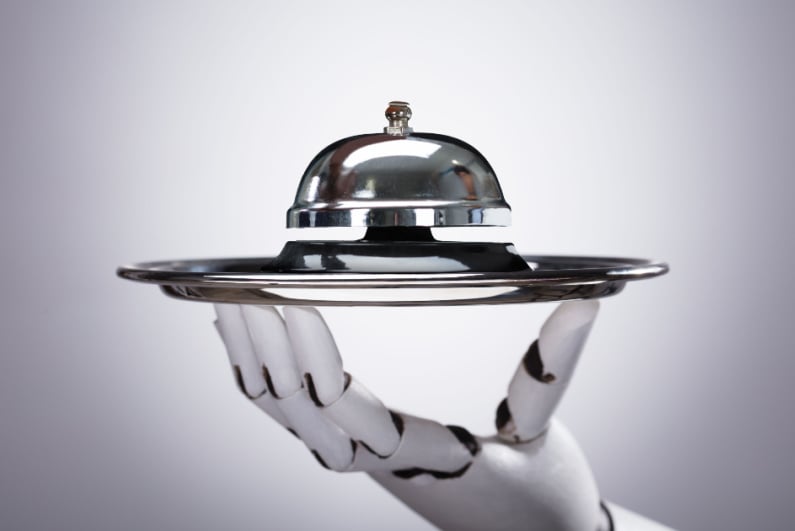 AI and robots are disrupting many different industries, with casino workers, in particular, expressing concerns about the future of their jobs. [Image: Shutterstock.com]
Massive change on the horizon
While the integration of robots and artificial intelligence (AI) into everyday life seemed like a far-off reality just a few years ago, this is no longer the case. The rollout of ChatGPT to the general public in late 2022 opened people’s eyes to the capabilities of these technologies.
300 million full-time jobs could be automated through AI
Workers across many sectors are now expressing concern over the future of their jobs. The fear is that everything from writers to cooks to accountants to coders could be phased out to some extent in the coming decades if things keep going the way they are. Goldman Sachs has predicted that 300 million full-time jobs could be automated through AI. Could casino jobs be among those replaced by machines?
Automation is nothing new
Robots are already vitally important to many industries. Car factories rely heavily on them to assemble vehicles, while Amazon has more than 750,000 robots working in warehouses to manage inventory. Machines can now carry out everyday tasks with a high level of accuracy.
It often isn’t until individuals see these robots with their own eyes that they begin to realize what’s on the horizon. The recent CES 2024 convention in Las Vegas schooled many casino workers, with some of the exhibits showing machines that can prepare, cook, and deliver food.
Unions across the globe are already aware of the potential dangers of emerging technology. The Culinary Workers Union, which represents about 40,000 casino employees in Las Vegas, threatened strike action for much of last year when fighting for new five-year contracts.
job protections relating to the adoption of new technology
One of the most heavily debated topics during the negotiations was job protections relating to the adoption of new technology. The union eventually secured assurances in the new contracts that workers would receive training on any new technology and if new adoption leads to job losses, people can possibly move to a different role or receive additional severance pay.
Changes to the customer experience
Some Las Vegas casinos already use robots in different aspects of their businesses. They can help lower hefty labor costs and fill in the gaps when there are staff shortages. Robots prepare and serve drinks at bars in The Venetian and Planet Hollywood, while the M Resort has a robot security officer patroling the parking lot. Customers also no longer need to manually check in to their rooms.
A 2019 Nevada Independent article estimated that between 38% and 65% of Southern Nevada jobs could be automated by 2035.Patrons could theoretically spend their entire stay at a casino without having to directly interact with any staff. They can use the automatic ticketing valet service upon arrival, self-check-in, order room service delivered by a robot, and have machines make their drinks at the bar. If they feel like gambling, they can play electronic table games or slot machines.
Increasing profitability
Casinos are always looking for ways to boost their bottom lines. Replacing non-customer-facing roles like cooks and cleaners with machines could be a big money saver without compromising the guest experience.
The savings that it could achieve through automation could be substantial.
Robots won’t need health or retirement benefits, can work longer hours, don’t go on strike, or get paid. MGM Resorts International employs about 75,000 people around the world and the company accrued payroll-related liabilities of $478m in 2022. The savings that it could achieve through automation could be substantial.
A powerful robot vacuum cleaner would cost about $30,000 and a bartender machine would typically cost between $100,000 and $200,000. While repairs and replacements will be necessary from time to time, casinos will weigh the trade-offs to see what will be the most beneficial to their long-term profitability.
Not entirely gloomy
While nobody will be able to stop the continual march of new technology and jobs will inevitably be lost, it isn’t total doom and gloom for casino workers. There will always be a place for the human touch in the service industry. People enjoy chatting with bartenders and wait staff, rather than sitting in silence sipping their drinks. They like interacting with dealers and their fellow players when gambling.
Concerns remain about underage people bypassing robot bartender systems to purchase alcohol. Bots also struggle to identify when to cut someone off after they have had too many drinks.Many casino workers don’t even oppose some level of automation as it would mean a lighter workload. They do want to get a proper heads-up from employers about its arrival, though. A more efficient workplace in which robots take over certain unsavory or labor-intensive jobs could even help boost the happiness levels of the workforce.