A Comprehensive Look at Thailand’s Proposed Casino Bill
A Comprehensive Look at Thailand’s Proposed Casino Bill
Share This Tags Thailand’s parliamentary committee has recently completed a draft bill that outlines a comprehensive framework for integrated entertainment complexes, which include casinos.
The draft bill is anticipated to be read in the Thai House of Representatives in the coming weeks. Given that the proposed entertainment complexes align with two of the three economic pillars set by Prime Minister Srettha Thavisin, approval in both the House and the Cabinet is highly probable.
A study by the Finance Ministry suggests that the Thai populace will account for a significant 75% of expenditure at the proposed 5-8 entertainment complexes.
The private sector is set to rejoice if the proposed 17% casino tax is accepted. This rate is comparable to Singapore’s tax bracket for mass gross gaming revenue, which is likely to pique investor interest. For context, the Philippines charges a 25% rate, while Japan’s rate is nearly double at 30%.
The attractive tax tier mirrors the Pheu Thai-led government’s economic-friendly approach, revealing their firm commitment to attracting foreign investments.
Policy Complementarity
The policies of the new administration align perfectly with the proposed casino industry. Tourism is a top priority for the Prime Minister, who has launched a visa-free travel initiative to spur inbound tourism.
Visa exemptions for nationals from China, India, and Russia have already led to a surge in visitor arrivals in Thailand. Additional waivers are expected to be extended to European nations in the Schengen area and other jurisdictions.
The government’s emphasis on infrastructural development, particularly in transportation and logistics, syncs well with the mega-resorts plan. This is expected to boost the prospects for exurban resort development, as seamless connectivity is essential for the success of integrated entertainment complexes.
Regulatory Framework and Rationale
The draft bill builds upon recommendations from a previous parliamentary committee, establishing a clear regulatory framework. The emphasis is on addressing potential social concerns that may arise from casino gambling, given Thailand’s conservative society.
Comprehensive Entertainment Facilities Act
The draft “Comprehensive Entertainment Facilities Act” covers 10 sections and 68 subsections. It lays out the industry’s organizational structure, licensing requirements, social safeguard rules, and the components of a Thai entertainment complex.
The Act proposes the establishment of two key committees:
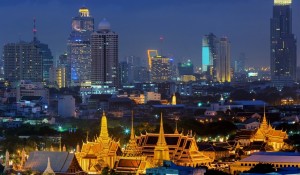
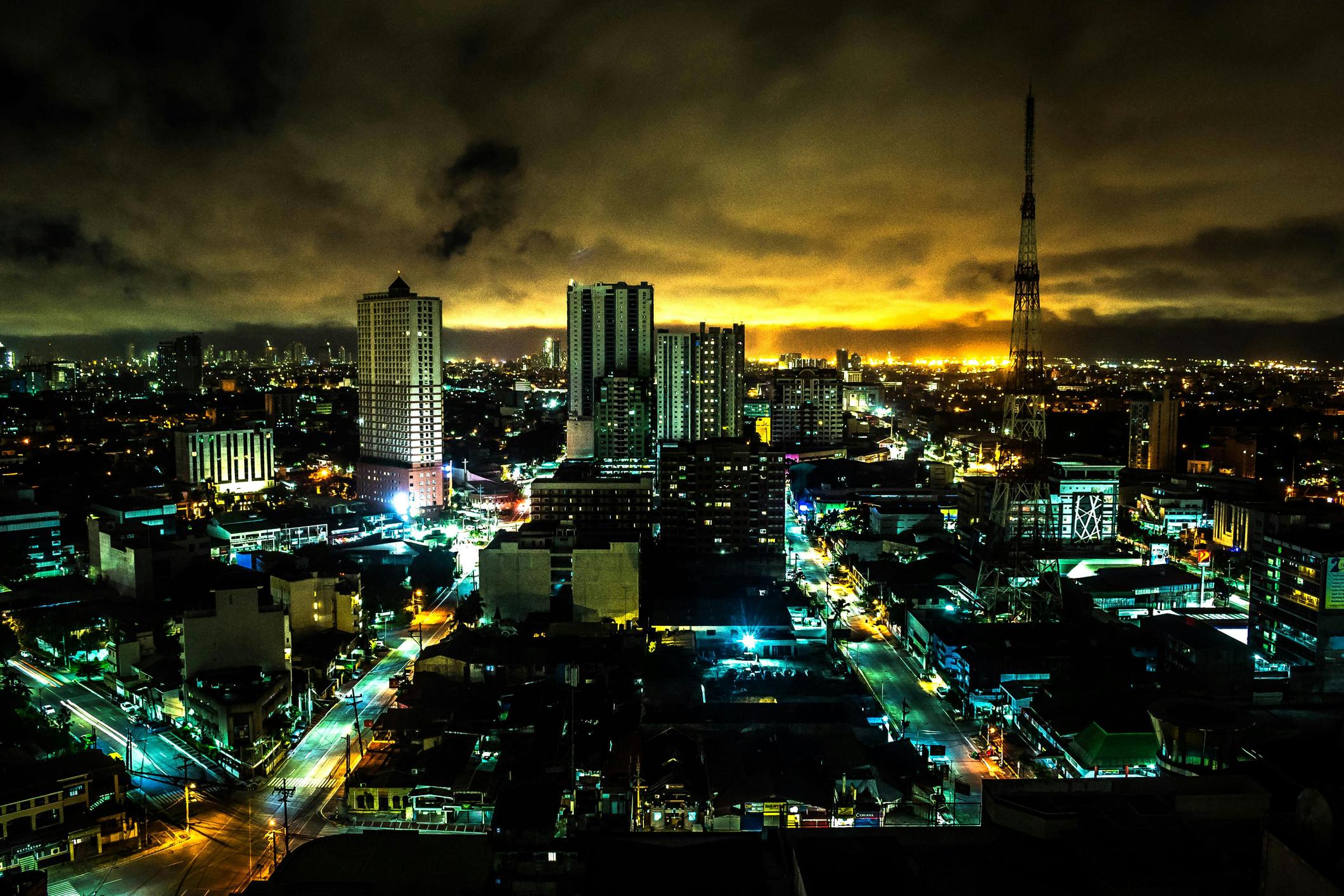
Bangkok is a likely location for a casino
- Comprehensive Entertainment Venue Business Operation Policy Committee: Led by the Prime Minister, this committee will set policies, approve licenses, and designate areas for integrated entertainment businesses.
- Comprehensive Entertainment Management Committee: Comprising government officials, this committee will handle complaints, operational plans, and manage funds for gambling prevention and rehabilitation programs.
Licensing and Operations
The draft bill details the process for obtaining a license to operate an integrated entertainment complex. Here are some key points:
Integrated Entertainment Offerings
In addition to casinos, integrated entertainment complexes will comprise a range of attractions:
- Retail facilities
- Five-star hotels
- Restaurants and bars
- Conference, meeting, and exhibition facilities
- Health and wellness facilities
- Marine leisure (marinas, etc.) activities
- Water-themed attractions
- Sports entertainment
- Theme parks
- Thai cultural attractions and local entrepreneur initiatives
- Other activities as determined by the Executive Committee
Taxation
The proposed taxation scheme includes:
Social Safeguards
The bill addresses potential social concerns and proposes measures to mitigate them:
The completion of the draft bill marks a pivotal moment in Thailand’s casino legalization efforts. Early indicators suggest that the government favours the eastern seaboard, particularly near U-Tapao Airport in Rayong province, for the inaugural entertainment complex. This region boasts excellent infrastructure due to extensive development within the Eastern Economic Corridor zone. While Pattaya remains a popular tourist hub, U-Tapao’s proximity offers a more promising location. Given the current momentum, the casino law could be ratified in 2024, with the first license tender following soon after. This swift process positions Thailand to potentially outpace Japan in opening Asia’s next multi-billion dollar casino resort.