California Sports Betting: Tribal Sovereignty and Commercial Partnerships at a Crossroads
California Sports Betting: Tribal Sovereignty and Commercial Partnerships at a Crossroads
Share This Tags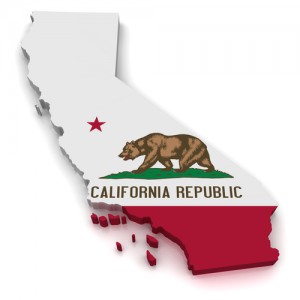 California, the Americas most populous state, has long been a coveted prize for the US sports betting industry. With a potential market size that dwarfs even the largest existing state markets, the Golden State has drawn the attention of major sportsbook operators eager to capitalize on the untapped opportunity. However, the path to legal sports betting in California has proven fraught with complexities, as the state’s powerful tribal gaming interests have staunchly resisted efforts by commercial operators to circumvent their exclusive gaming rights.
At the heart of the California sports betting debate lies the unwavering commitment of the state’s tribal nations to preserve their sovereign gaming rights. For decades, these tribes have fought tirelessly to defend their position as the primary purveyors of legal gambling within their respective territories. The passage of a 2020 ballot measure further solidified their exclusive rights, setting the stage for a high-stakes showdown with deep-pocketed commercial sportsbook operators.
In 2022, a coalition of major sportsbook operators, including industry giants DraftKings and FanDuel, poured tens of millions of dollars into a ballot initiative that would have legalized online sports betting across California. Tribes, viewing this as a direct threat to their sovereignty, responded with a well-funded counter-campaign that ultimately led to the overwhelming defeat of the operator-backed measure.
Andrew Alejandro, Chairman of the Paskenta Band of Nomlaki Indians, made the tribal position unequivocally clear: “Sovereignty, again, is one of the most important things that we have, and we’re going to do everything we can to protect that. And when someone comes in and tries to set up shop, that’s not going to happen.”
The resounding defeat of the 2022 ballot measure has led to a shift in the approach taken by commercial sportsbook operators. Recognizing the formidable influence of the tribal gaming interests, these companies have now adopted a more conciliatory stance, acknowledging the need for tribal cooperation and consent to secure a foothold in the California market.
Frank Sizemore, FanDuel’s VP of Strategic Partnerships, has publicly acknowledged the company’s missteps in the previous ballot initiative, stating, “If and when the crowd decides to legalize sports wagering, it’ll be a tribally led initiative. We have no interest in running another initiative. We’ve learned our lessons and it did not go well.” Sizemore’s comments underscore the newfound understanding that any future sports betting efforts in California must prioritize tribal engagement and partnership.
While the commercial operators have signalled a willingness to work with the tribes, the path to a mutually beneficial partnership remains fraught with challenges. California’s gaming tribes, each with their own unique interests and priorities, must find a way to coalesce around a unified vision for the state’s sports betting landscape.
California is home to dozens of gaming tribes, each with its own set of goals, needs, and historical experiences. Reconciling these divergent interests and finding a common ground for a sports betting framework will require extensive negotiation and compromise among the tribal nations.
Beyond the question of market access, tribal leaders have emphasized that any sports betting agreement must preserve the sovereign gaming rights they have fought so hard to defend. Additionally, the potential impact on the tribes’ existing tax-free status with the state government remains a critical consideration, as a new sports betting market could disrupt the revenue streams that fund crucial community programs.
As California’s tribes and commercial operators navigate these complex dynamics, a clear consensus has emerged: the path to legal sports betting in the state will be led by the tribal nations. While the commercial entities have expressed a willingness to partner, the tribes remain cautious, mindful of the scars left by the previous ballot measure battle.
Alejandro of the Paskenta Band of Nomlaki Indians emphasized the need for the commercial operators to “build that trust, start to come and mend those wounds that they left. The way they came in was just ridiculous. And that really was damaging. It’s going to take some work.”
Sizemore of FanDuel reiterated the company’s commitment to supporting a “single, unified ballot measure” going forward, one that is led and endorsed by the tribal gaming community. This approach, though likely to be a lengthy and complex process, represents the only viable path to legal sports betting in the nation’s most populous state.
With California’s massive population and the immense commercial opportunities it presents, the stakes for all stakeholders involved remain sky-high. However, the state’s unique gaming landscape and the tribes’ unwavering defence of their sovereignty have created a formidable obstacle to overcome.
Given the logistical and legal hurdles, a 2024 ballot measure for sports betting in California appears increasingly unlikely. Instead, the next potential opportunity may present itself in 2026, though the specific timeline remains uncertain.
The parameters of a potential tribal-commercial partnership also remain undetermined. Issues such as the taxation of sports betting revenues, the balance between in-person and mobile betting, and the overall market access for commercial operators will all require extensive negotiation and compromise.
Ultimately, the preservation of the tribes’ extensive gaming rights remains the top priority for California’s tribal stakeholders. Any expansion into sports betting, particularly with outside partners who previously sought to circumvent tribal sovereignty, will be approached with an abundance of caution and a steadfast commitment to protecting the legacy of tribal gaming in the state.