Pachinko May Help Prevent Dementia in the Elderly in Japan
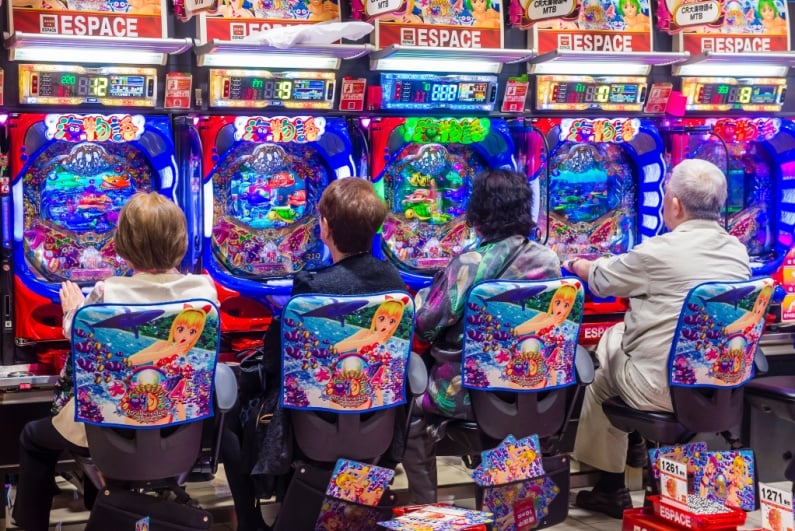 Pachinko may help prevent dementia, providing a counterargument to the gambling-averse government as the country faces a rise in the numbers of elderly people. [Image: Shutterstock.com]
Pachinko is popular in Japan
Japan is facing a growing crisis from the rapid growth of its senior citizen population, which brings with it concerns for the elderly who may face dementia. Enter the pachinko industry, centered on games that function like vertical pinball machines and may prove helpful in preventing dementia.
Despite—or perhaps because of—being a form of semi-legal gambling in Japan, the pachinko industry has been shrinking for years now, but marketing to seniors could revitalize the industry. The rise comes amidst the government paying closer attention to other forms of gambling that do not pass legal muster.
We’re constantly adjusting to the demands of the elderly.”
Hiroto Kamei, sales director of pachinko-machine maker Toyomaru Sangyo, said: “The industry is in decline, and we are trying to think of ways to revive the business. We’re constantly adjusting to the demands of the elderly.”
Pachinko games are easy to understand and even easier to play. Bloomberg describes the mechanism behind the game, saying: “players shoot small steel balls up into an array of pins while trying to land them in specific pockets to trigger jackpots and win more balls.”
Fake money pachinko games pass legal muster
If the game directly dispensed money, it wouldn’t technically be legal. But because accumulated balls can be exchanged for tokens, which are then exchanged for money, the two-step process “allows them to operate without violating gambling laws.”
Kaoru Mori, chief executive officer of Japan’s Day Service Las Vegas, operates a casino-themed day care center for the elderly. The service provides games like pachinko, as well as other games like mahjong and poker. It delivers needed facilities for seniors who live alone or whose families are unable to take care of them. Mori says: “This is a day care, intended to imitate a casino, so the elders can have fun.”
Though the provider may look like a casino, Mori assures the public—and the Japanese government—that everything it does is proper, legal, and not really gambling. “After all, we don’t use real money… I think what matters the most, is that the pachinko brings them joy.”
Pachinko prevents dementia, helps sleeping habits
The move to increase elderly use of pachinko machines is a double-edged sword. On one side is the government, who must consider whether pachinko fits into their plan to diminish gambling addiction throughout Japan. On the other side is the evidence that playing pachinko can help prevent dementia. The latter proves a healthy counterargument to the government as the country faces a diminishing overall population but a rise in the numbers of elderly people. Bloomberg reports that “total spending at pachinko parlors was ¥14.6 trillion ($101.8 billion) in 2022, less than half the level from around two decades ago.”
doing activities I like that have benefits are much better than doing tedious therapy”
Evidence for pachinko serving to prevent dementia comes from professor Kikunoria Shinohara, a professor at the Suwa Tokyo University of Science, who said: “I’m getting old myself, but doing activities I like that have benefits are much better than doing tedious therapy.” According to professor Shinohara, pachinko players as old as in their 70s demonstrated higher cognitive abilities than similarly-aged people who do not play the game.
Evidence indicates the benefits of playing pachinko go well beyond preventing dementia. Quiet, introverted users displayed higher levels of openness and extroversion, while others reported better sleeping habits. In addition, equipping some machines with bike pedals means those players can exercise even as they sit to play.